
Key Takeaways
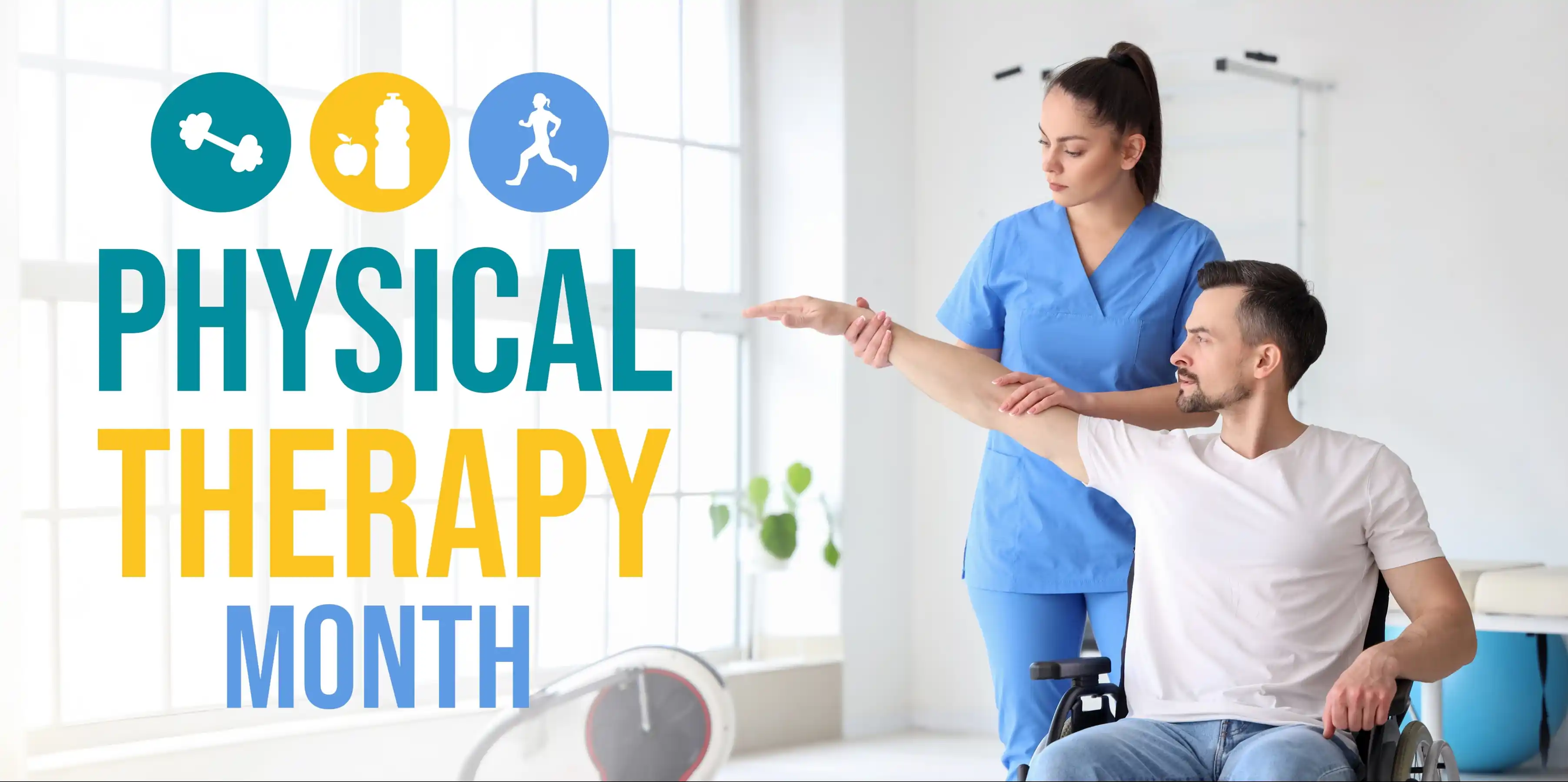
- October is National Physical Therapy Month, an annual observance that raises awareness about the benefits of physical therapy for recovery, mobility, and long-term health.
- Physical therapy isn't just for people recovering from surgery. It also supports injury prevention, chronic pain management, and everyday movement.
- Epic Medical integrates physical therapy directly with its family medicine and sports medicine services, so your care team can coordinate your treatment plan in one place.
- Certain signs, like pain that limits your daily activities or an injury that isn't improving on its own, are good reasons to consider a physical therapy evaluation.
- Epic Medical is Fox Chapel's trusted source for physical therapy and family medicine, and the team is ready to help you build a personalized recovery plan. Request an appointment to get started.
What Is National Physical Therapy Month?
Every October, the American Physical Therapy Association (APTA) recognizes National Physical Therapy Month, an observance dedicated to raising public awareness about the value physical therapists and physical therapist assistants bring to patient care. The annual campaign has been recognized since the early 1990s, and it's a chance to highlight how physical therapy supports resilience, strength, and mobility at every stage of life.
For patients, National Physical Therapy Month is a good reminder to think about their own movement and recovery goals, whether that means healing from a recent injury, managing a chronic condition, or simply staying active and independent.
How Physical Therapy Supports Recovery Beyond Just Injuries?
It's easy to think of physical therapy as something you only need after a surgery or a sports injury. In reality, physical therapy plays a much broader role in health. According to the Cleveland Clinic, some people only need a few weeks of physical therapy to resolve a short-term issue, while others rely on it for months or years to manage a chronic condition.
Physical therapy at Epic Medical can help with:
- Recovering strength and range of motion after an injury or surgery
- Managing chronic joint pain, back pain, or arthritis
- Preventing future injuries through targeted conditioning
- Improving balance, posture, and everyday mobility
- Supporting athletes with sport-specific rehabilitation and return-to-play planning
The Role of Physical Therapy in Epic Medical's Care Model
Epic Medical was built around the idea that family medicine, sports medicine, and physical therapy work best when they're connected, not treated as separate visits with separate providers. When you see a physical therapist at Epic Medical, that care is coordinated with your primary care team, so your treatment plan reflects your full health history, not just the injury in front of you.
This approach can be especially helpful for patients managing a chronic condition alongside an injury, or for families who want one practice that can handle everything from a child's sports physical to a parent's post-surgical rehab.
| Recovery Goal | What Physical Therapy Focuses On | Example Conditions |
|---|---|---|
| Post-injury recovery | Restoring strength, motion, and function | Sprains, strains, sports injuries |
| Chronic pain management | Reducing pain and improving daily mobility | Arthritis, degenerative joint disease, back pain |
| Injury prevention | Building strength and correcting movement patterns | Recurring sports injuries, overuse conditions |
| Post-surgical rehab | Guided, progressive recovery after a procedure | Joint replacement, orthopedic surgery |
Signs It Might Be Time to Start (or Restart) Physical Therapy
It's not always obvious when physical therapy could help. A few common signs it's worth scheduling an evaluation include:
- Pain that limits your ability to do everyday activities, like walking, climbing stairs, or lifting
- An injury that isn't improving after a couple of weeks of rest
- Stiffness or reduced range of motion that's making it harder to move comfortably
- A recent diagnosis of a condition like arthritis or degenerative joint disease
- Wanting to prevent a past injury from happening again
If any of these sound familiar, it may be a good time to talk to the team at Epic Medical about whether physical therapy is right for you.
How to Get Started With a PT Evaluation at Epic Medical?
Starting physical therapy at Epic Medical begins with an evaluation, where your physical therapist reviews your health history, current symptoms, and goals before building a plan tailored to you. From there, your care is coordinated with the rest of your Epic Medical team.
Celebrate National PT Month by Prioritizing Your Recovery
This National Physical Therapy Month, Epic Medical encourages Fox Chapel-area patients to take stock of any pain, stiffness, or mobility concerns that may be holding them back, and to consider whether physical therapy could help.
If you're ready to start your recovery, request an appointment with the physical therapy and sports medicine team at Epic Medical today.
Frequently Asked Questions
What is National Physical Therapy Month?
National Physical Therapy Month is an annual observance held every October by the American Physical Therapy Association to raise awareness about the benefits of physical therapy and recognize the work of physical therapists and physical therapist assistants.
Do I need a referral to see a physical therapist at Epic Medical?
Many insurance plans allow direct access to physical therapy without a referral, but coverage varies. Contact Epic Medical to confirm what your plan requires before scheduling.
How is physical therapy near me different at Epic Medical compared to a standalone PT clinic?
At Epic Medical, physical therapy is coordinated with your family medicine and sports medicine care under one roof, so your therapist and physician can work from the same health history and treatment goals.
What conditions can physical therapy help with?
Physical therapy can support recovery from sports injuries, post-surgical rehabilitation, chronic pain conditions like arthritis, and general mobility or balance concerns.
