
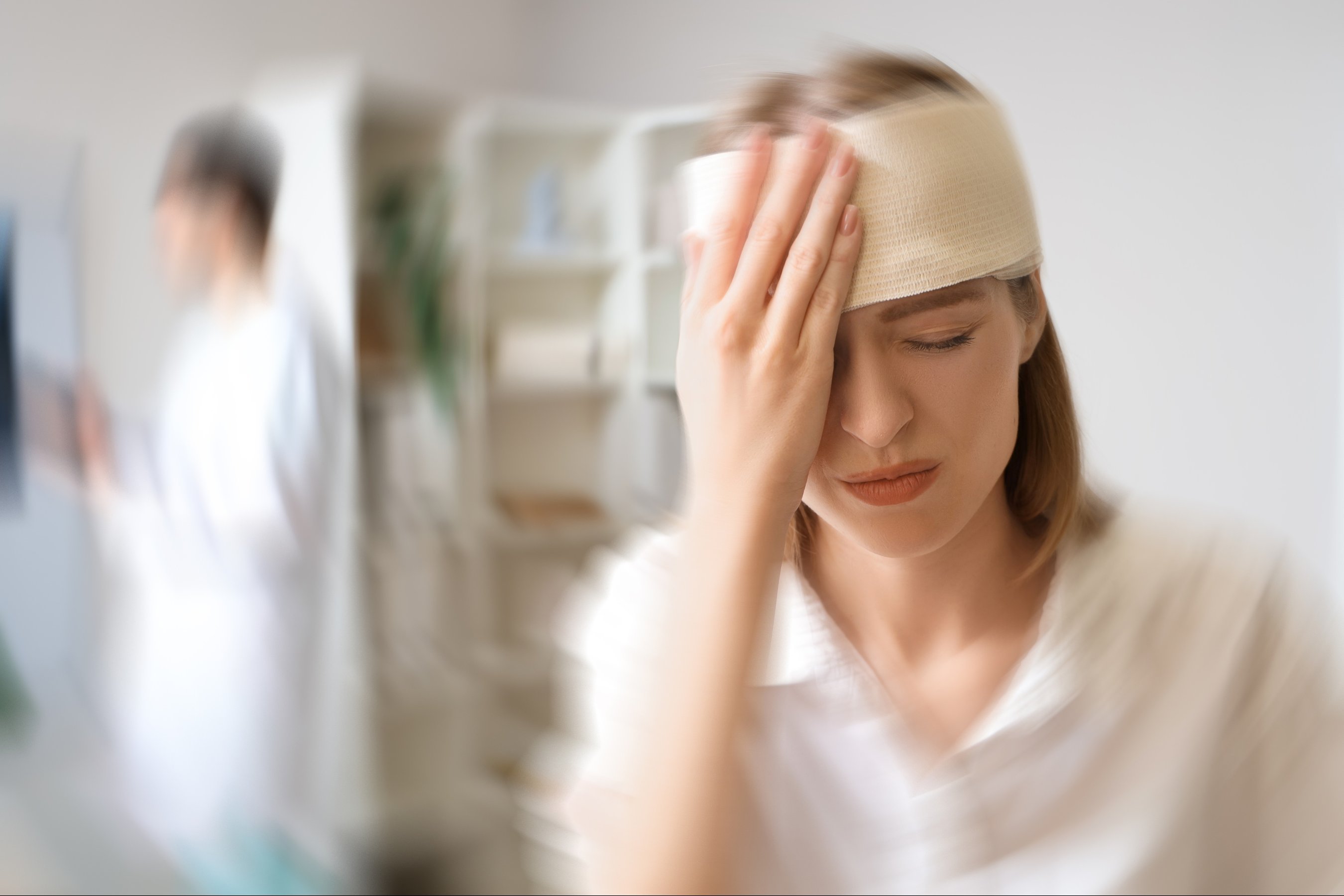
Key Takeaways
- Concussions can occur from direct or indirect blows to the head and may not always cause immediate symptoms.
- Common signs include headaches, dizziness, confusion, nausea, and sensitivity to light or noise.
- Athletes should be removed from play immediately if a concussion is suspected and should not return until cleared by a medical professional.
- Proper diagnosis and treatment are essential to avoid complications like second-impact syndrome or prolonged recovery.
- Epic Medical offers expert sports medicine care in Pittsburgh, PA, including concussion evaluation, treatment, and return-to-play protocols.
Concussions are one of the most common injuries in youth and professional sports, yet they're often misunderstood or overlooked. Whether your child plays football, soccer, or hockey, or you're an athlete yourself, knowing how to identify the warning signs can make all the difference in recovery and long-term health.
A concussion is a type of traumatic brain injury caused by a blow to the head or body that causes the brain to move rapidly inside the skull. While some symptoms appear immediately, others may not show up for hours or even days. Recognizing these signs early and seeking proper medical care is critical to preventing further injury.
This guide will walk you through the most common symptoms of a concussion, what to do if you suspect one, and how Epic Medical in Pittsburgh, PA, can help athletes of all ages recover safely.
What Is a Concussion?
A concussion is a mild traumatic brain injury that temporarily affects brain function. It's caused by a sudden impact or jolt that causes the brain to shift inside the skull. While most concussions are not life-threatening, they require immediate attention and proper management to ensure a full recovery.
Concussions are especially common in contact sports like football, hockey, and lacrosse, but they can also occur in soccer, basketball, cheerleading, and even non-sports activities like playground accidents or car collisions.
Common Signs and Symptoms of a Concussion
Concussion symptoms vary from person to person and may appear right away or develop over time. They generally fall into four categories: physical, cognitive, emotional, and sleep-related.
Physical Symptoms
- Headache or pressure in the head
- Dizziness or balance problems
- Nausea or vomiting
- Blurred or double vision
- Sensitivity to light or noise
- Ringing in the ears
- Feeling sluggish or fatigued
Cognitive Symptoms
- Confusion or feeling 'foggy'
- Difficulty concentrating or remembering
- Slowed reaction times
- Feeling disoriented or not knowing where they are
Emotional and Behavioral Symptoms
- Irritability or mood swings
- Increased anxiety or nervousness
- Sadness or emotional instability
- Changes in personality
Sleep-Related Symptoms
- Drowsiness or trouble staying awake
- Difficulty falling asleep
- Sleeping more or less than usual
If you or your child experiences any of these symptoms after a head injury, it's important to stop activity immediately and seek medical evaluation.
What to Do If You Suspect a Concussion
Remove the Athlete from Play
Never allow someone with a suspected concussion to continue playing or practicing. Returning to activity too soon increases the risk of a more serious injury, including second-impact syndrome, which can be fatal.
Seek Medical Attention
Even if symptoms seem mild, a healthcare professional should evaluate the injury. Epic Medical in Pittsburgh, PA specializes in concussion care and can provide a thorough assessment using evidence-based protocols.
Monitor Symptoms
Keep a close watch on the individual for the first 24 to 48 hours. If symptoms worsen or new symptoms develop, seek emergency care immediately.
Rest and Recovery
Physical and cognitive rest are essential in the early stages of recovery. This means limiting screen time, reading, schoolwork, and physical exertion until cleared by a doctor.
How Epic Medical Diagnoses and Treats Concussions
At Epic Medical, our sports medicine team uses a comprehensive approach to concussion management. We begin with a detailed evaluation that includes a review of symptoms, a physical exam, and cognitive testing. In some cases, imaging may be recommended to rule out more serious injuries.
Once a concussion is confirmed, we create a personalized treatment plan that includes:
- Gradual return-to-activity protocols
- Symptom management strategies
- Education for athletes, parents, and coaches
- Follow-up care to monitor progress
Our goal is to ensure a safe and complete recovery so athletes can return to the sports they love without risking further injury.
Preventing Concussions in Sports
While not all concussions can be prevented, there are steps athletes and parents can take to reduce the risk:
- Wear properly fitted helmets and protective gear
- Teach and practice safe playing techniques
- Encourage athletes to report symptoms immediately
- Ensure coaches are trained in concussion recognition and response
- Promote a culture where health and safety come first
Schedule a Concussion Evaluation at Epic Medical in Pittsburgh, PA
Recognizing the signs of a concussion and acting quickly can protect your child's brain health and future in sports. If you suspect a concussion, don't wait—get the expert care your athlete deserves.
Epic Medical offers comprehensive sports medicine services in Pittsburgh, PA, including concussion evaluation, treatment, and safe return-to-play protocols. Schedule an appointment today to ensure your athlete gets back in the game safely.
Frequently Asked Questions
Can you have a concussion without losing consciousness?
Yes. Most concussions do not involve a loss of consciousness. Symptoms like headache, dizziness, and confusion are far more common indicators.
How long does it take to recover from a concussion?
Recovery time varies. Most people recover within 7 to 10 days, but some may experience symptoms for weeks or longer, especially if they've had previous concussions.
When can my child return to sports after a concussion?
Your child should not return to sports until they are symptom-free and have been cleared by a healthcare provider. Epic Medical follows a gradual return-to-play protocol to ensure safety.
What happens if a concussion goes untreated?
Untreated concussions can lead to prolonged symptoms, cognitive issues, and increased risk of future brain injuries. In rare cases, returning to play too soon can result in second-impact syndrome, a life-threatening condition.
Are some athletes more at risk for concussions?
Yes. Athletes in contact sports, those with a history of concussions, and younger athletes are at higher risk. Proper education, equipment, and medical oversight are key to reducing that risk.
